
Available courses
Number of topics: 18
SREY24
Number of topics: 18
SREY24
Number of topics: 7
This course was developed by the London School of Hygiene & Tropical Medicine
The London School of Hygiene & Tropical Medicine is a world leader in research and postgraduate education in public and global health. Its mission is to improve health and health equity worldwide.
Number of topics: 7
This course was developed by the London School of Hygiene & Tropical Medicine
The London School of Hygiene & Tropical Medicine is a world leader in research and postgraduate education in public and global health. Its mission is to improve health and health equity worldwide.
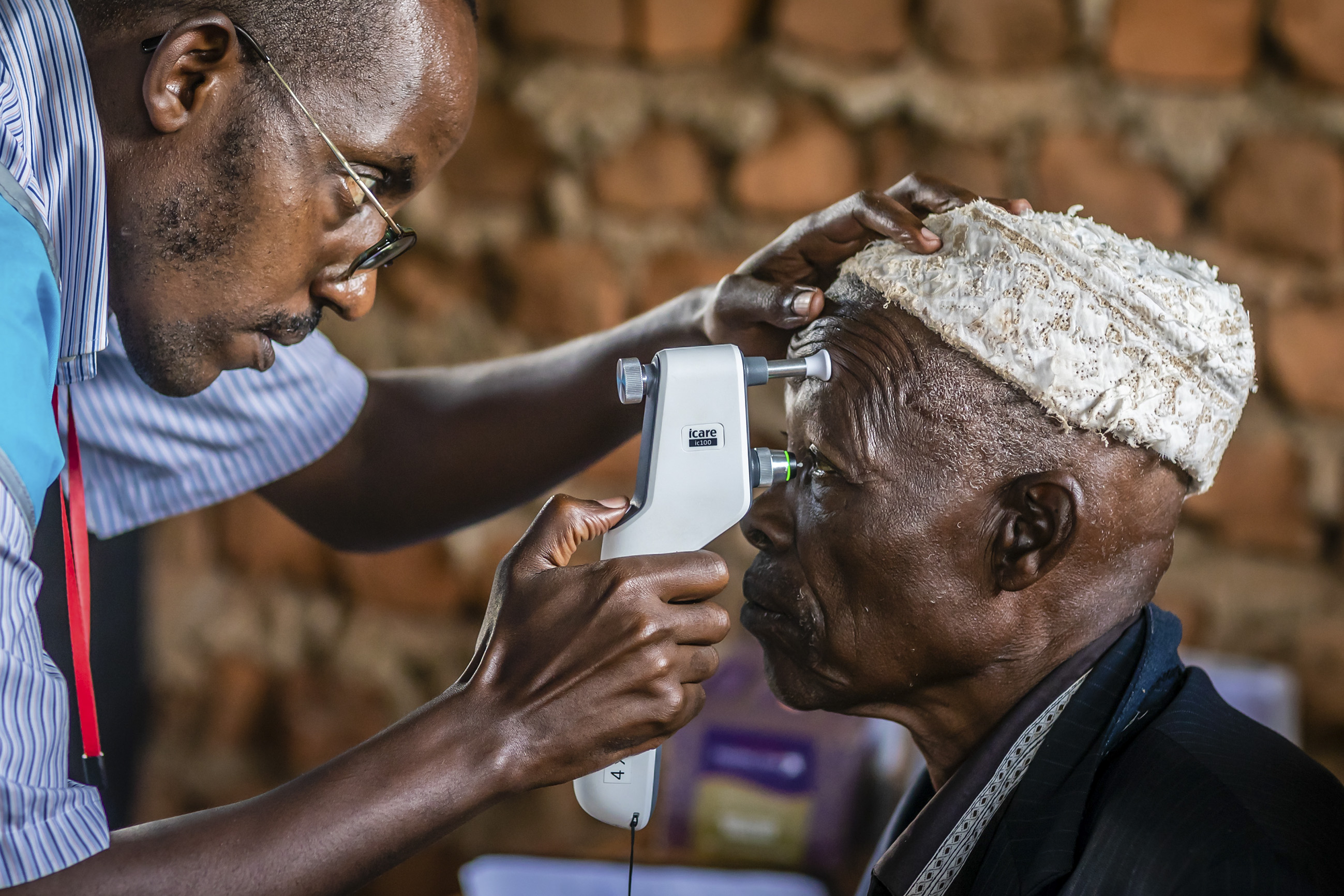
Number of topics: 7
This course was developed by the London School of Hygiene & Tropical Medicine
The London School of Hygiene & Tropical Medicine is a world leader in research and postgraduate education in public and global health. Its mission is to improve health and health equity worldwide.
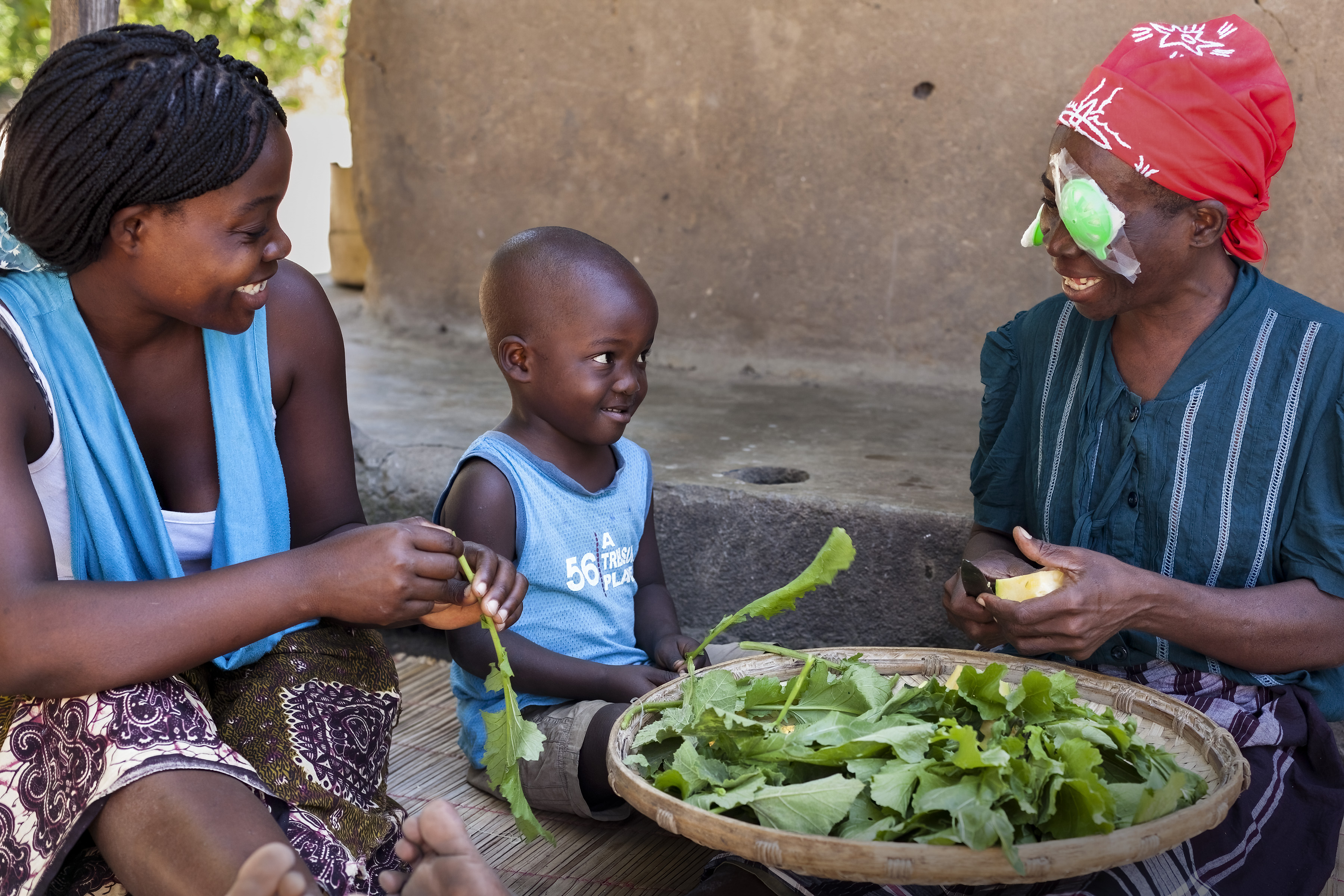
Number of topics: 8
This course was developed by the London School of Hygiene & Tropical Medicine
The London School of Hygiene & Tropical Medicine is a world leader in research and postgraduate education in public and global health. Its mission is to improve health and health equity worldwide.
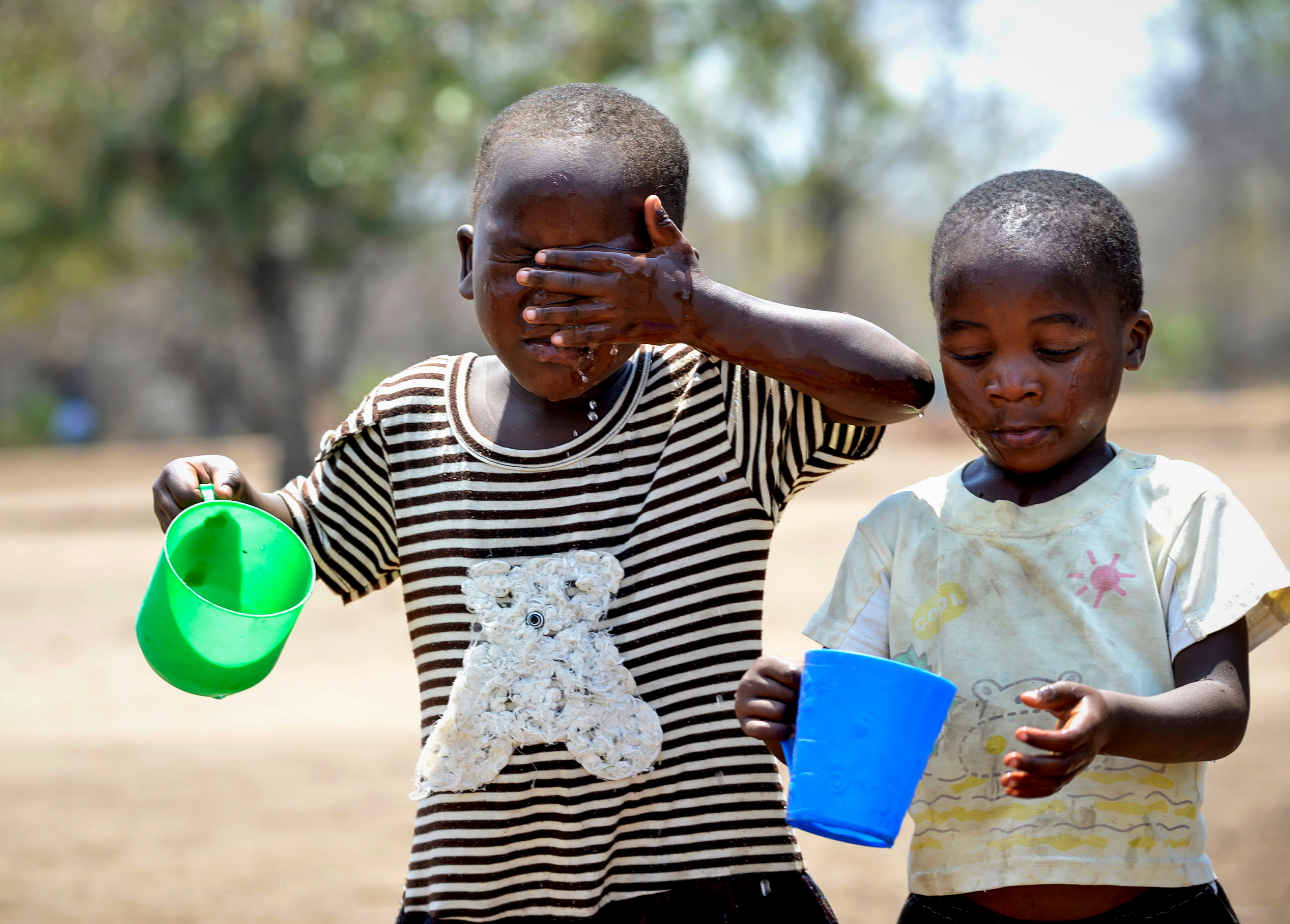
Number of topics: 8
This course was developed by the London School of Hygiene & Tropical Medicine
The London School of Hygiene & Tropical Medicine is a world leader in research and postgraduate education in public and global health. Its mission is to improve health and health equity worldwide.
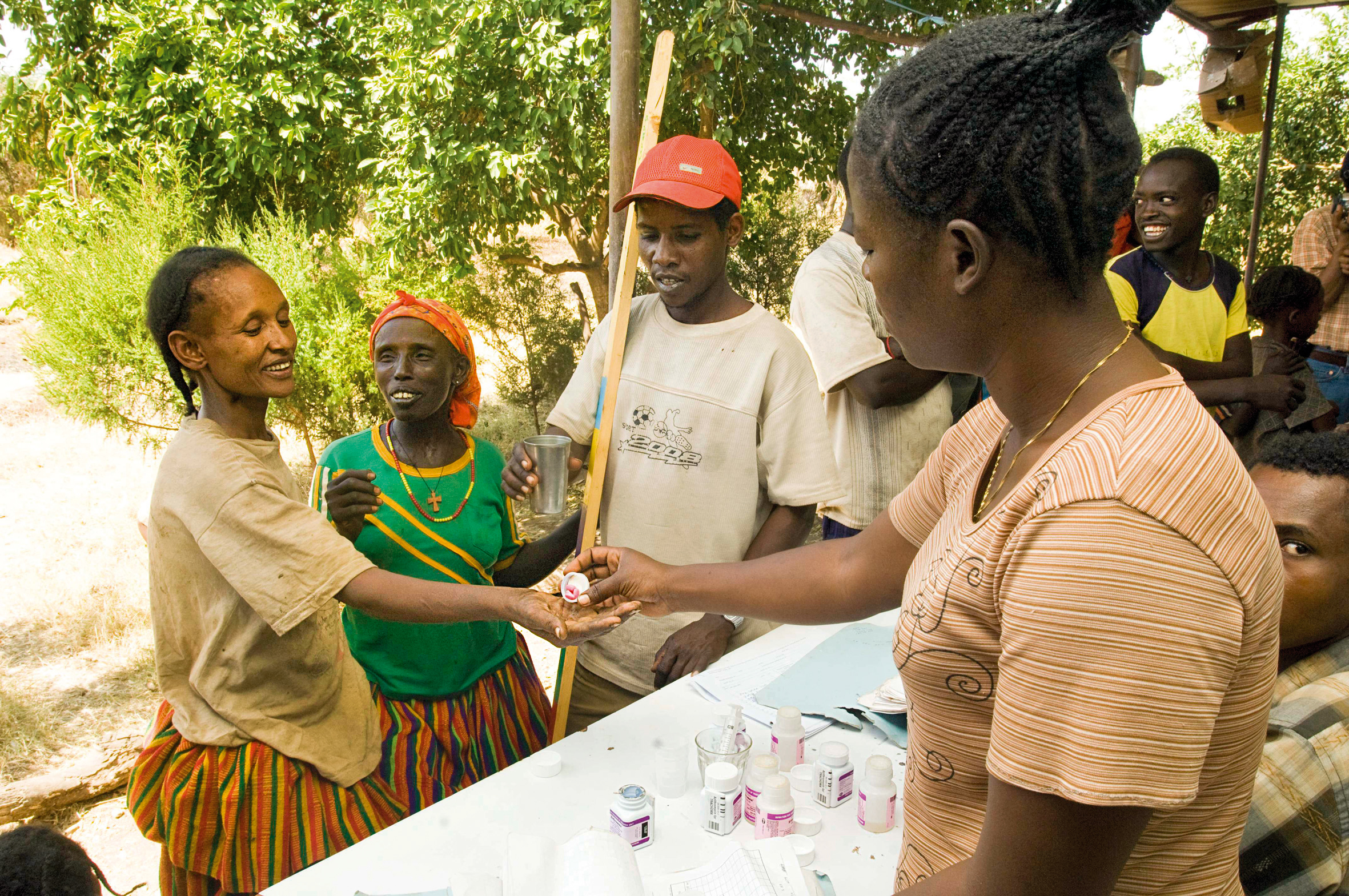
Number of topics: 5
This course was developed by the International Centre for Eye Health at the London School of Hygiene & Tropical Medicine.
The London School of Hygiene & Tropical Medicine is a world leader in research and postgraduate education in public and global health. Its mission is to improve health and health equity worldwide.
Number of topics: 6
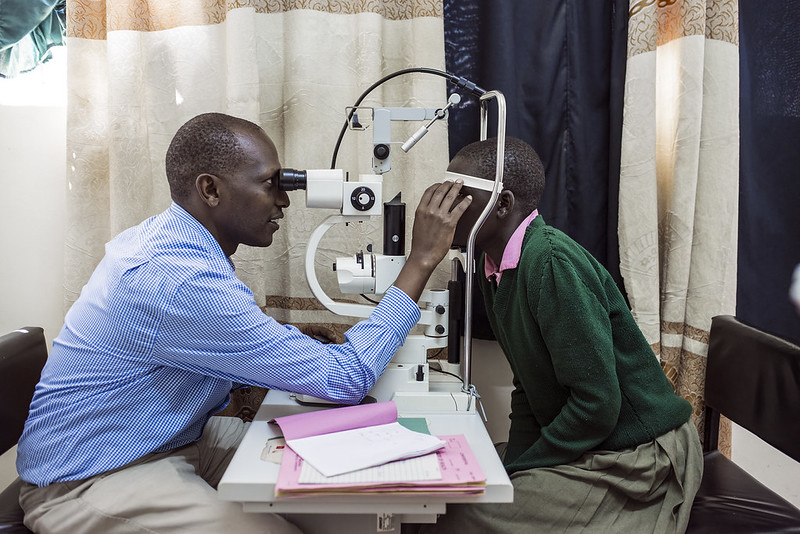
You should be familiar with these basic principles before starting this second self-directed course, Ophthalmic epidemiology 2. Application to eye diseases, where we move on to critically examine the main epidemiological methods and their application to major eye diseases.
In the course you will:
- View articles, presentations, mini-lectures, interviews with experts in the field and links to further reading
- Test your understanding in quizzes
Learning objectives:
By the end of this course you should be able to:
- Analyse the features of the main epidemiology study types and appraise their application for answering different research questions in eye health.
- Identify problems caused by bias, confounding and chance in epidemiological studies.
Because the course is designed for self-directed learning, you can work at your own pace and time, repeat or download the content as you wish. We encourage you to assess your learning through the quizzes. We also hope that you will be able to apply the learning directly to your clinical work, academic reading and research activities.