

Available courses
Number of topics: 1
This course contains three modules designed to familiarise students with classic methods in demography and population analysis. Topics include the measurement and analysis of fertility, mortality and migration, and methods for conducting population projections.

Number of topics: 4
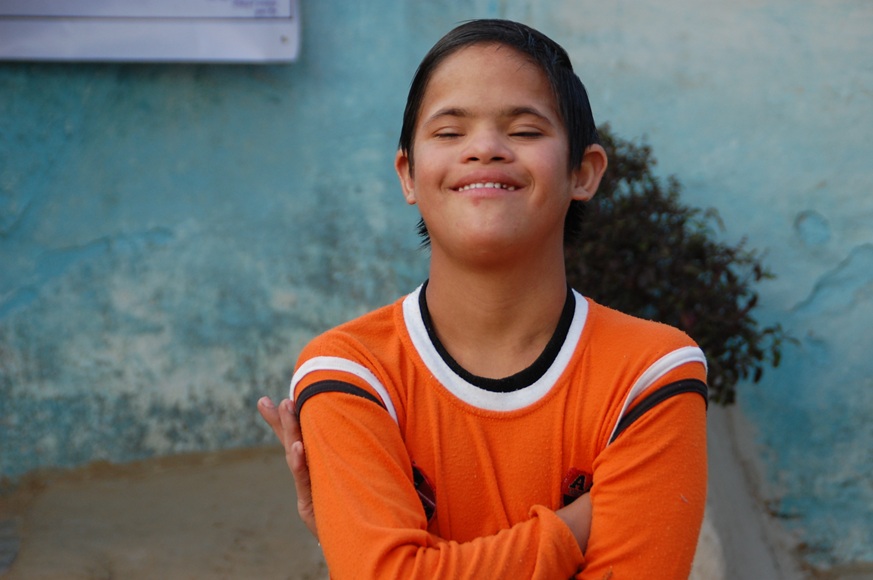
Evidence shows that children with developmental disabilities experience poorer health outcomes than children without disability, including higher mortality and severe illness. However, despite this greater need, children with developmental disabilities and their families often face barriers to healthcare access. It is vital that the global health community improve their access to high quality and appropriate healthcare, so that they can realise their full potential and participate in their community.
This three-week course is designed to enhance your knowledge of developmental disabilities, the health needs of children with developmental disabilities and how to improve integrated healthcare provision that works in partnership with families and other essential services, such as education or social care providers.
Number of topics: 4
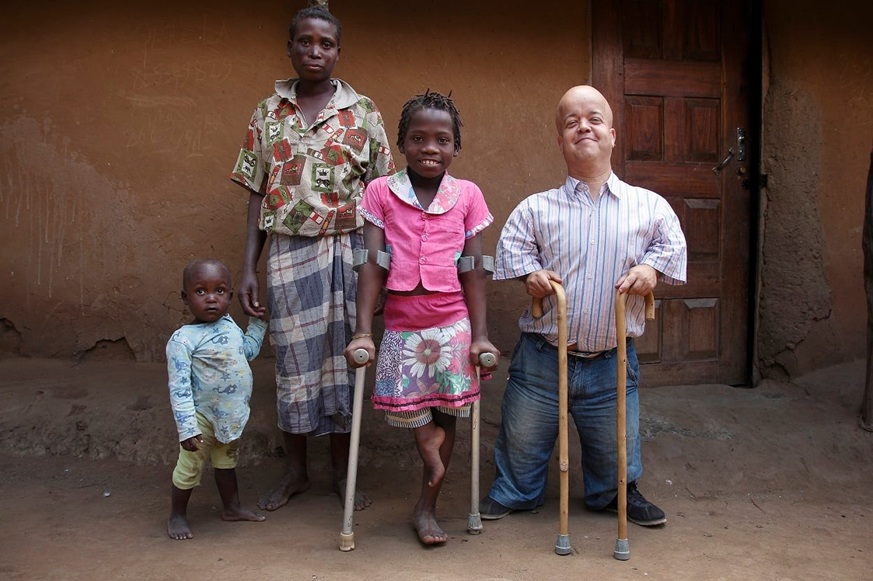
Around 15% of the world’s population, or one billion people, live with some form of disability. People with disabilities face a range of exclusions from employment, education and community life, and despite often having higher healthcare needs, experience limited access to services. Evidence on disability is needed for a range of reasons, such as to measure the magnitude and impact of disability, highlight inequalities in access, and evaluate interventions that aim to improve the lives of people with disabilities. This evidence can be used to advocate, inform policy, plan services, and address the exclusions that people with disabilities face.
In this three-week course you will learn from researchers, persons with disabilities and policy makers as we look to enhance our understanding of the importance of evidence in disability, and how research can be conducted, interpreted and used to inform policy and practice.
Number of topics: 7
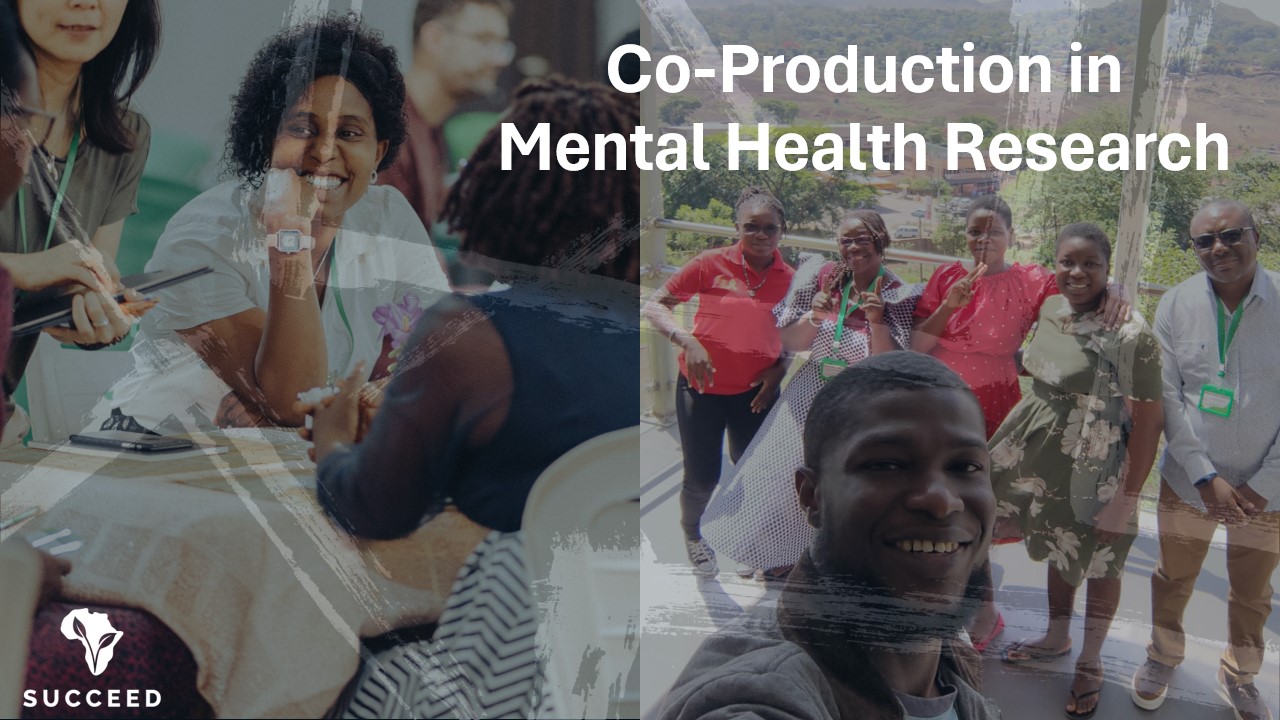
Evidence shows that co-production with people with lived experience of psychosocial disabilities can improve the quality, relevance and impact of mental health research, policy and services. Consequently, co-production, is increasingly becoming normalised – and even expected – in some contexts. Nevertheless, co-production in mental health research has not received sufficient attention and investment in many countries worldwide, and particularly in low- and middle-income settings.
In this introductory course on co-production in mental health research, you will learn from researchers as well as peer researchers with lived experience of psychosocial disabilities. The course will enhance your understanding of psychosocial disabilities and the importance of inclusion, autonomy and empowerment for persons with psychosocial disabilities. You will then learn about what co-production is, why it is important, and how to co-produce mental health research by reflecting on the existing evidence, available guidelines, as well as lessons learned from existing programmes and initiatives.
This course is designed to take about 1-2 hours per week over 3 weeks but could also be done in one sitting if you prefer. This course is available as a self-directed learning resource, with prompts to guide you to reflect on your own, and/or to facilitate a discussion that you may wish to organize with your peers / co-workers.
Launched: 17 July 2026
Last updated: 17 July 2026
Number of topics: 3
This site has support and guidance information on how to use Moodle.
Number of topics: 11
This page contains a series of downloadable resources and learning activities from the School's Health Economics and Financing in Low- and Middle-Income Countries course. The material was originally delivered as a short course created for UNICEF and delivered to UNICEF staff between 2006 and 2016. Additional information about the course and its last edition can be found here.
The material is broken down into teaching modules and topic-focused interactive activities. Activities are presented in a variety of different ways ('challenge yourself' exercises, 'check your learning' quizzes) and may be vehicles for delivering content or informal assessment tasks.
Course developers: Dr Virginia Wiseman, Dr Lorna Guinness, Fiammetta Bozzani, Joanna Stroud

Number of topics: 14

This course has been designed to explore the complicated problem of malnutrition in all its forms, highlighting its multi-sectoral causes, exploring the available evidence and identifying potential solutions.


Number of topics: 7
This is a hybrid short course to support those new to learning, teaching, and assessment. Each session comprises a 3-hour interactive online session support by a series of structured online/offline activities which the participant can undertake as part of self-directed learning. All content will be delivered by Moodle and Zoom.
Lesson plans, materials and notes will be provided for all session to support future versions of this course.
Number of topics: 6