
Co-Production in Mental Health Research
Enrolment options
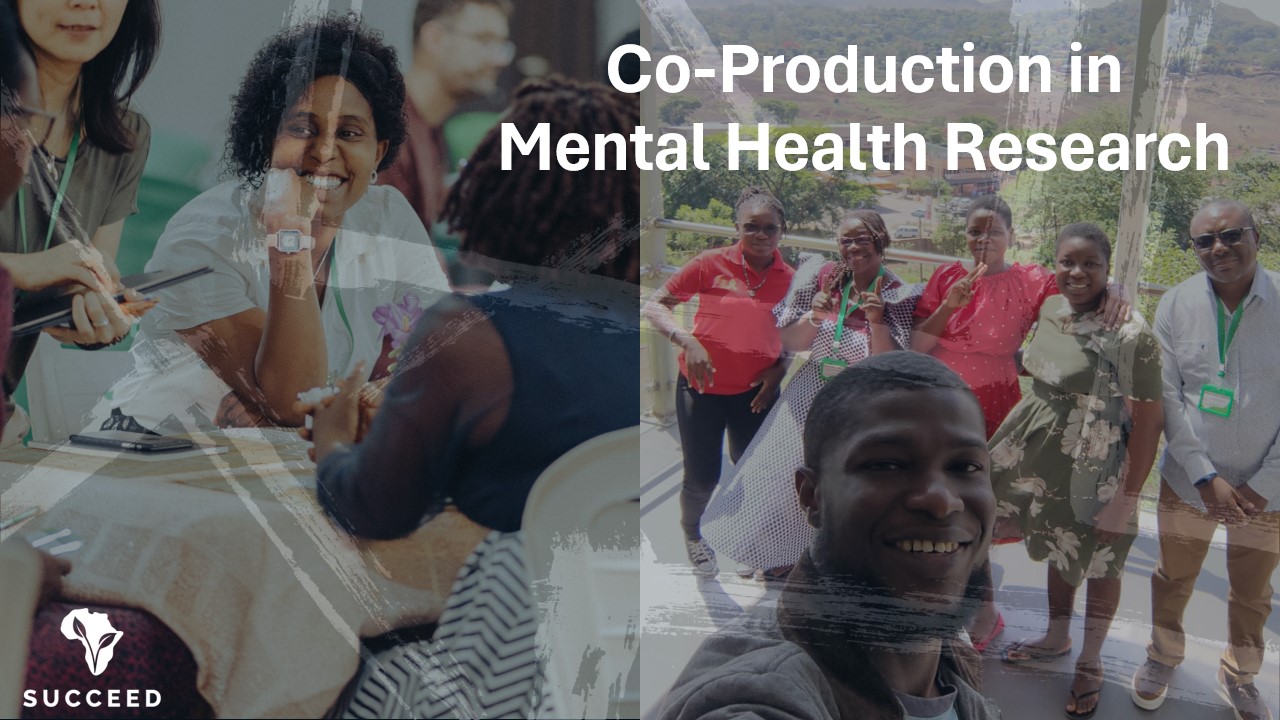
Evidence shows that co-production with people with lived experience of psychosocial disabilities can improve the quality, relevance and impact of mental health research, policy and services. Consequently, co-production, is increasingly becoming normalised – and even expected – in some contexts. Nevertheless, co-production in mental health research has not received sufficient attention and investment in many countries worldwide, and particularly in low- and middle-income settings.
In this introductory course on co-production in mental health research, you will learn from researchers as well as peer researchers with lived experience of psychosocial disabilities. The course will enhance your understanding of psychosocial disabilities and the importance of inclusion, autonomy and empowerment for persons with psychosocial disabilities. You will then learn about what co-production is, why it is important, and how to co-produce mental health research by reflecting on the existing evidence, available guidelines, as well as lessons learned from existing programmes and initiatives.
This course is designed to take about 1-2 hours per week over 3 weeks but could also be done in one sitting if you prefer. This course is available as a self-directed learning resource, with prompts to guide you to reflect on your own, and/or to facilitate a discussion that you may wish to organize with your peers / co-workers.
Launched: 17 July 2026
Last updated: 17 July 2026